


What Causes Tire Vibration? Find the Real Problem
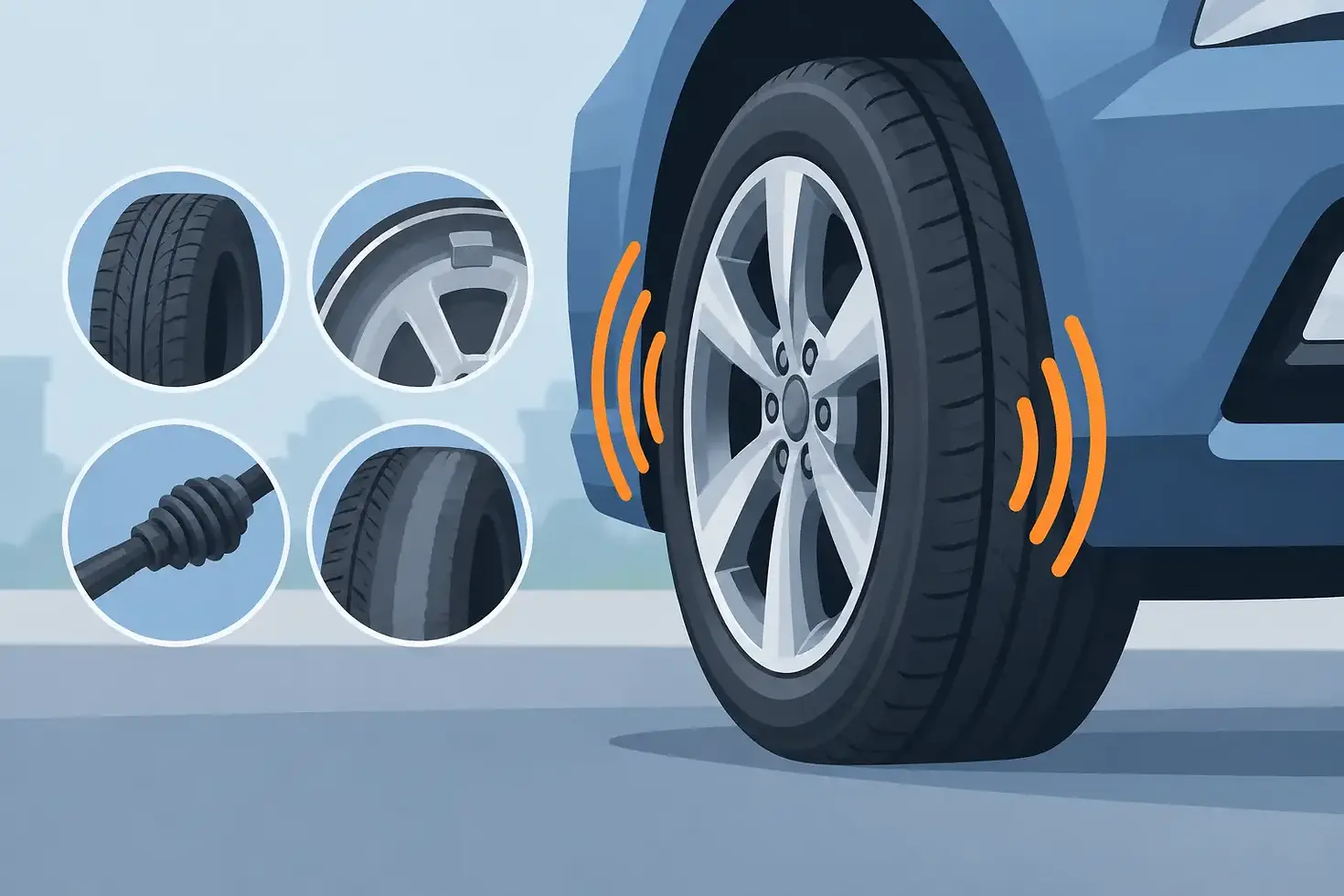
A vibration at highway speed can turn a normal commute, truck run, or weekend trail trip into a white-knuckle drive. What causes tire vibration is not always one simple issue: the location of the shake, the speed when it starts, and whether it happens while braking all point toward different parts of the vehicle. Catching the pattern early can protect your tires, wheels, suspension, and confidence behind the wheel.
What Causes Tire Vibration at Different Speeds?
The first clue is when the vibration shows up. A shake that begins around 45 to 70 mph is commonly connected to tire balance, wheel condition, or a tire that is no longer rolling perfectly round. A vibration you feel mainly through the steering wheel usually points to the front tires, front wheels, or steering components. If you feel it more in the seat, floor, or rear of the vehicle, inspect the rear tire and wheel area first.
Vibration at low speeds can be more serious. A tire with a separated belt, major impact damage, or a wheel that has been bent by a pothole may create a noticeable thump or wobble before you ever reach highway speed. Do not assume a shake will work itself out. It rarely does, and continued driving can turn a smaller tire or wheel concern into uneven wear and expensive suspension damage.
A vibration that appears only when you apply the brakes is a different situation. That often points to a brake system concern rather than the tire itself. The pedal may pulse, the steering wheel may shake, or the vehicle may pull as it slows. Since braking is a safety system, have it inspected promptly.
The Most Common Tire and Wheel Causes
Improper wheel balance
Wheel balancing is one of the most common answers when a vehicle feels smooth around town but starts shaking at highway speeds. Tires and wheels are not perfectly weight-neutral around their entire circumference. During balancing, small weights are placed to offset those differences so the assembly spins smoothly.
A missing weight, an inaccurate balance job, or a tire that has shifted slightly on the wheel can bring the vibration back. Larger truck tires, aggressive all-terrain tires, mud-terrain tires, and oversized wheel packages can be especially sensitive because their size and weight amplify small imbalances. A proper balance check is usually the logical first step when the shake is speed-specific.
Tire damage, irregular wear, or an out-of-round tire
A tire should roll in a consistent circle. If it develops a bulge, flat spot, broken internal belt, or uneven tread pattern, it can create a repeating thump, bounce, or vibration. You may also notice the steering wheel moving side to side or the vehicle feeling unsettled over smooth pavement.
Look over each tire closely for sidewall bubbles, cuts, exposed cords, unusual tread wear, or areas where the tread looks raised. A tire with a bulge or visible structural damage should not stay in service. It is not a cosmetic issue.
Cupping is another common culprit. This is a scalloped, uneven wear pattern across the tread that can make a tire noisy and rough. Cupping often starts because of worn shocks, struts, steering parts, or an alignment problem. Replacing the tires without correcting the underlying cause can lead to the same wear pattern on the next set.
Bent, cracked, or poorly fitted wheels
A hard pothole hit, curb strike, or off-road impact can bend a wheel enough to cause a vibration. The damage may be obvious, but it can also be subtle and only show up when the wheel spins on balancing equipment. A bent wheel can create a steady shake, air loss, or both.
Aftermarket wheel fitment deserves special attention. The wheel must have the right diameter, width, offset, bolt pattern, center bore, and load rating for the vehicle and intended use. A wheel that is not properly centered on the hub can cause vibration even if the tires are balanced. Correct hub-centric fitment and the proper hardware matter, especially on trucks, SUVs, and performance builds.
Incorrect mounting or lug nut torque
A wheel must sit flush against a clean mounting surface and be tightened in the correct pattern to the vehicle manufacturer’s torque specification. Rust scale, dirt, paint buildup, incorrect hardware, or uneven lug nut torque can keep the wheel from seating correctly.
This is not a place to guess with an impact gun. Over-tightening can damage studs and brake components, while under-tightening can allow the wheel to move. If vibration started right after new tires, wheels, brake service, or a tire rotation, have the mounting and torque checked as soon as possible.
Alignment and Suspension Problems That Wear Tires Unevenly
Wheel alignment does not usually create a sudden highway vibration by itself. What it can do is wear tires unevenly until those tires begin to shake, pull, or make excessive road noise. Toe, camber, and caster settings all affect how the tire meets the pavement.
A vehicle that drifts, pulls, has an off-center steering wheel, or shows rapid wear on one edge of the tread needs an alignment inspection. But alignment is only part of the picture. Worn tie rods, ball joints, control arm bushings, wheel bearings, shocks, struts, and other steering or suspension components can allow the tire to move in ways it should not.
On a lifted truck or SUV, suspension geometry and wheel fitment become even more important. A lift, larger tires, or wider wheels may require additional alignment adjustments or supporting components to maintain stable handling. The right tire size can improve capability, but the whole setup needs to work together.
Do Not Forget Tire Pressure and Load Ratings
Low or uneven tire pressure can make a vehicle feel unstable and contribute to irregular wear. Check pressure when the tires are cold and use the pressure listed on the vehicle’s driver-door placard, not the maximum pressure molded onto the tire sidewall.
Overloading matters, too. Trailer users, work trucks, commercial vehicles, and families packing an SUV for a long trip should confirm that tire load ratings match the vehicle’s real workload. Tires that are underspecified or overloaded can run hotter, wear faster, and handle unpredictably. For towing and hauling, the correct load range and inflation pressure are just as important as tread style.
A Simple Way to Narrow Down the Problem
Before scheduling an inspection, pay attention to the conditions that trigger the vibration. Does it happen only between certain speeds? Does it change when you turn? Is it in the steering wheel, seat, or brake pedal? Did it begin after an impact, rotation, tire installation, or suspension work?
Then perform a basic visual check in a safe, well-lit area. Look for low pressure, tread damage, missing wheel weights, loose-looking hardware, and unusual tire wear. Avoid reaching behind the wheel or working under a vehicle that is not securely supported.
If the vibration is mild and only occurs at highway speed, a professional tire and wheel balance inspection may identify the problem quickly. If there is a visible bulge, severe wobble, grinding noise, steering looseness, or a vibration that worsens fast, do not keep driving just to test it.
Stop and arrange service if you notice any of these warning signs:
A sidewall bulge, exposed cords, or deep tire damage
A wheel that appears cracked, severely bent, or loose
Strong shaking at low speeds or worsening vibration
A sudden pull, clunking, grinding, or loss of steering control
Get the Right Tire and Wheel Setup From the Start
The best fix depends on the real cause. A balance issue may be straightforward, while a damaged tire, bent wheel, or worn suspension component requires a more complete solution. Replacing only one part of the system without checking the rest can leave the vibration behind.
When it is time for replacement tires or a new wheel package, match the size, load capacity, speed rating, and driving conditions to your vehicle. Daily drivers may prioritize long tread life and quiet all-season control. Truck owners may need stronger construction for towing or rough roads. Off-road and performance setups need fitment that supports both the look you want and stable road manners.
Empire Tire Wheel offers a wide selection of name-brand tires and wheels, with expert help available when you need to confirm fitment before ordering. A smooth ride starts with the right components, mounted and maintained correctly. Listen to what your vehicle is telling you now, and you can get back on the road with more control, less wear, and a lot more confidence.


Comments